.png)
Massage Therapy Stress Relief: A Proven Stress Relief Solution
In today's fast-paced world, stress has become a common part of life. Many people seek effective ways to manage and reduce stress to improve their overall well-being. One proven method that has stood the test of time is massage therapy. This natural and holistic approach offers numerous benefits that go beyond simple relaxation. In this article, we will explore how massage therapy can be a powerful tool for stress relief, backed by science and practical examples.
Understanding Massage Therapy Stress Relief
Massage therapy involves the manipulation of soft tissues in the body, including muscles, tendons, and ligaments. It is designed to promote relaxation, improve circulation, and relieve muscle tension. When it comes to stress relief, massage therapy works by triggering the body's relaxation response. This response helps lower cortisol levels, the hormone associated with stress, and increases the production of feel-good chemicals like serotonin and dopamine.
There are various types of massage techniques, such as Swedish massage, deep tissue massage, and aromatherapy massage, each offering unique benefits. For example, Swedish massage uses long, flowing strokes to relax muscles and improve blood flow, making it ideal for general stress relief. Deep tissue massage targets deeper layers of muscle and connective tissue, which can be especially helpful for chronic stress-related muscle tension.

Practical Tips for Maximizing Stress Relief with Massage Therapy
Choose the right type of massage based on your stress levels and physical condition.
Schedule regular sessions to maintain consistent stress relief.
Communicate openly with your therapist about your stress points and preferences.
Combine massage with other relaxation techniques like deep breathing or meditation for enhanced benefits.
Are Massages Good for Stress Relief?
The answer is a resounding yes. Numerous studies have shown that massage therapy can significantly reduce stress and anxiety levels. For instance, research published in the International Journal of Neuroscience found that massage therapy lowered cortisol levels and increased serotonin and dopamine in participants, leading to improved mood and reduced stress.
Massage therapy also helps by relaxing the muscles that tend to tighten during stressful situations. This physical relaxation sends signals to the brain that the body is safe, which helps calm the nervous system.
People who suffer from stress-related conditions such as insomnia, headaches, or digestive issues often find relief through regular massage sessions. The calming effect of massage can improve sleep quality, reduce the frequency of tension headaches, and promote better digestion by activating the parasympathetic nervous system.
Examples of Stress-Relieving Massage Techniques
Swedish Massage: Gentle strokes to relax muscles and improve circulation.
Shiatsu: Finger pressure on specific points to balance energy flow.
Hot Stone Massage: Warm stones placed on muscles to ease tension.
Aromatherapy Massage: Use of essential oils to enhance relaxation.
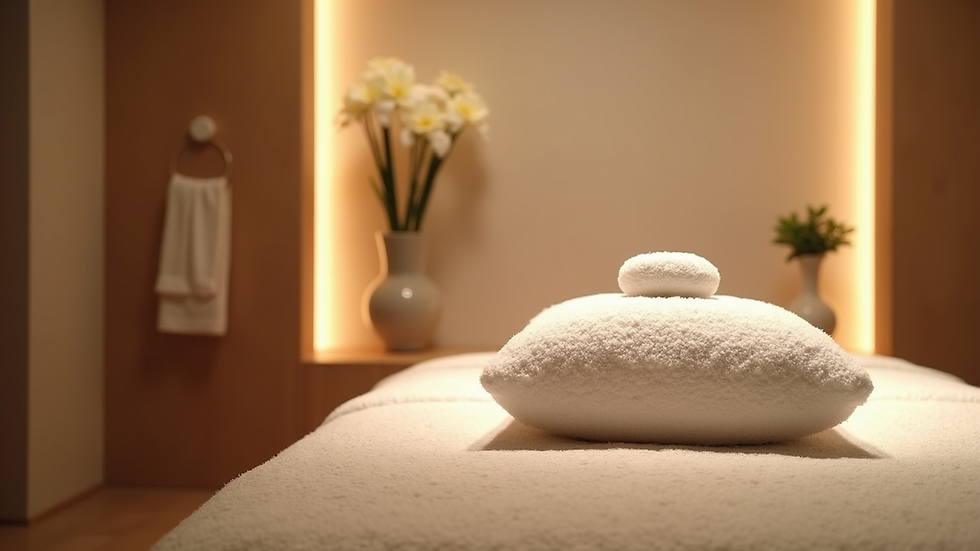
How Massage Therapy Supports Mental Health
Stress and mental health are closely linked. Chronic stress can lead to anxiety, depression, and other mental health challenges. Massage therapy offers a natural way to support mental well-being by promoting relaxation and reducing the physical symptoms of stress.
During a massage, the body releases endorphins, which are natural painkillers and mood elevators. This chemical release can help reduce feelings of anxiety and depression. Moreover, the quiet, peaceful environment of a massage session provides a break from daily stressors, allowing the mind to rest and reset.
Massage therapy can also improve body awareness and mindfulness. By focusing on the sensations in the body during a massage, individuals can become more attuned to their physical and emotional states. This increased awareness can help people recognize early signs of stress and take proactive steps to manage it.
Tips for Using Massage Therapy to Boost Mental Health
Incorporate massage into a self-care routine to maintain mental balance.
Use calming essential oils like lavender or chamomile during sessions.
Practice mindfulness during massage by focusing on breathing and bodily sensations.
Discuss mental health goals with your massage therapist for personalized care.
Integrating Massage Therapy into Your Stress Management Plan
Massage therapy is most effective when combined with other healthy lifestyle habits. Here are some ways to integrate massage into a comprehensive stress management plan:
Regular Exercise: Physical activity complements massage by reducing muscle tension and boosting mood.
Healthy Diet: Proper nutrition supports overall health and resilience to stress.
Adequate Sleep: Massage can improve sleep quality, which is essential for stress recovery.
Mindfulness Practices: Meditation, yoga, or deep breathing can enhance the relaxation effects of massage.
Time Management: Reducing workload and setting boundaries helps prevent stress buildup.
Scheduling massage sessions on a weekly or biweekly basis can provide ongoing relief and prevent stress from becoming overwhelming. Many people find that even short, 30-minute massages can make a significant difference in their stress levels.
For those new to massage therapy, it is important to find a licensed and experienced therapist who understands your specific needs. A good therapist will tailor the session to your comfort level and focus on areas where you hold the most tension.
Exploring the Science Behind Massage Therapy for Stress Relief
Scientific research supports the effectiveness of massage therapy in reducing stress. Studies using brain imaging have shown that massage can decrease activity in the amygdala, the part of the brain responsible for processing fear and stress. This reduction in amygdala activity helps calm the nervous system and promotes a sense of safety.
Additionally, massage therapy has been found to improve heart rate variability (HRV), a measure of the balance between the sympathetic and parasympathetic nervous systems. Higher HRV is associated with better stress resilience and overall health.
The physical benefits of massage, such as improved circulation and reduced muscle stiffness, also contribute to stress relief by enhancing the body's ability to recover from physical and emotional strain.
For those interested in exploring this option, massage therapy for stress relief offers a natural, effective way to manage stress without medication or invasive treatments.
Massage therapy is more than just a luxury - it is a valuable tool for managing stress and improving quality of life. By understanding how massage works and incorporating it into a holistic approach to health, individuals can experience lasting benefits for both body and mind. Whether you are dealing with everyday stress or chronic tension, massage therapy can provide the relief and relaxation you need to thrive.


Comments